
A Book Report On We Are Brains: From The Womb To Alzheimer’s By Dr. Dick F. Swaab
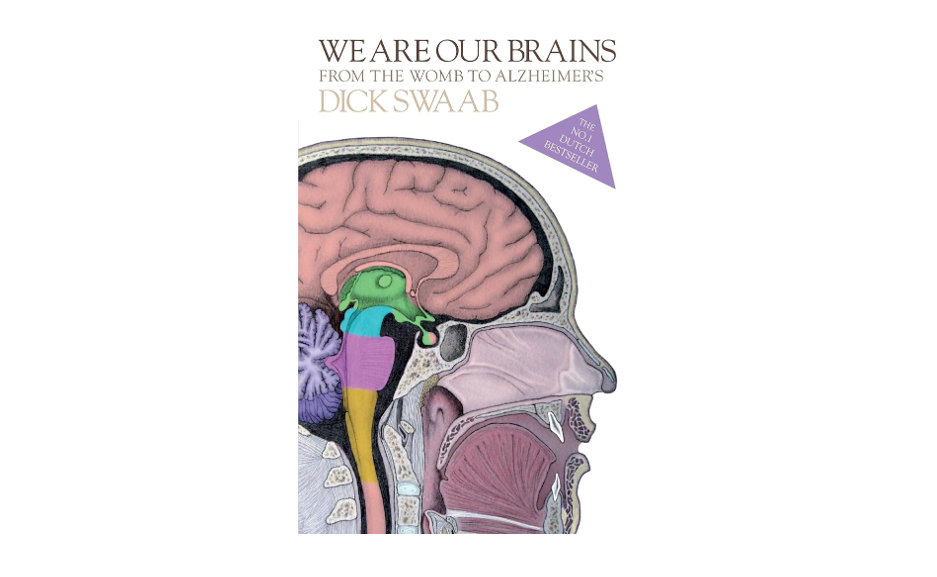
We Are Our Brains: From the Womb to Alzheimer's by Dr. F. Swaab
Book Report by Izel Charu Anish
If someone asked me to recommend one book to start learning about neuroscience, I would immediately choose We Are Our Brains by Dutch neuroscientist Dick F. Swaab. Swaab is a physician and brain researcher who spent many years studying how the brain develops and works. You can really tell how much knowledge and experience he has because every chapter is filled with interesting facts and explanations. As someone who wants to keep learning about neuroscience, I thought this was the perfect first book. It gave me a strong foundation while also making me excited to learn even more.
One of my favorite moments happened before I had even read very much. When I realized the author was Dutch, I was so happy. I used to live in the Netherlands, and it will always feel like a second home to me. Finding out that such an amazing neuroscience book was written by someone from there made the experience feel much more personal. It brought back a little bit homesickness in the best way, almost like finding a small piece of home while reading. That connection made me even more interested in what Swaab had to say.
The book explains how our brains shape almost everything about us. It talks about personality, memory, emotions, intelligence, sleep, mental illness, and even how our brains sometimes make decisions before we are fully aware of them. Instead of just listing facts, the book made me stop and think about how much of who we are is actually controlled by our brains. I like how each chapter of the book can be read as a standalone, however, it still connects beautifully back to the same main idea. By the end, everything started fitting together. If you only want to learn about memory or sleep, you can skip to those chapters without getting confused. At the same time, reading the book from beginning to end makes all the topics connect together like pieces of a puzzle. It was fun noticing how explanations from earlier chapters came back later in different ways.
This is definitely a dense book. There is so much information packed into every chapter that I often had to stop and think about what I had just learned. Because of that, I ended up taking a lot of notes while reading. I actually remember that in the first couple of chapters, I filled up an entire color block of sticky notes before I even switched over to using a real notepad. At first I was just writing things down casually, but I quickly realized I needed a more organized system to keep up with everything. I wrote down key ideas, important explanations, and anything that I thought I might want to remember later. This really helped me process the information instead of just reading through it quickly. Even though it was challenging, I actually enjoyed it. The act of writing things down made me slow down and really understand the content. It also helped me make connections that I probably would not have noticed otherwise. For example, ideas about how the brain develops before birth later helped explain personality, mental disorders, and aging. It reminded me that neuroscience is like one giant web where everything is connected, and understanding one part helps you understand another.
If I could change one thing, I would make the book read a little more like a story. I think adding a few fictional characters and following them throughout the book would make some of the science easier to connect with, understand, and remember. I feel as if the book has the potential to desensitize certain processes due its detailed explanations. It could help readers picture how neuroscience affects everyone in everyday life while still teaching the same concepts.
Overall, I would give We Are Our Brains a 4.75 out of 5. It is interesting, thought-provoking, and full of information without feeling boring. I think it is the perfect first book for anyone who wants to learn about neuroscience, whether they are just curious about the brain or hope to study it in the future. Even though it takes time to read, every chapter teaches you something new and leaves you wanting to learn even more.
Picture: https://www.amazon.com/We-Are-Our-Brains-Alzheimers/dp/0141978236