
Is Fluoride in Toothpaste Safe? What you need to know….
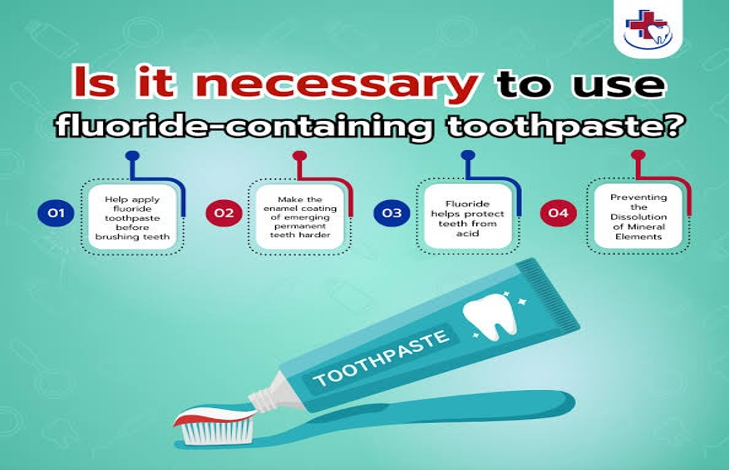
Is Fluoride in Toothpaste Safe?
What you need to know….
What's the difference between fluoride and fluorine?
Fluoride is not the element Fluorine, this mix-up is the reason people fear using their toothpaste. Fluorine in its pure form is a highly reactive, toxic and yellowish-green gas. A Fluoride is any compound containing the fluorine anion (F-). When you hear about Fluoride in drinking water, the substance contains a fluorine compound (such as sodium fluoride), which breaks down to release the fluorine anion. Stable fluorides are commonly found in toothpaste.
Why are fluorides in toothpaste after all?
The enamel (the protective layer of your teeth) frequently loses and gains minerals. The loss is usually because of acids attacking your enamel, usually formed from bacteria, plaque or sugars trapped in your teeth. This process is called demineralization.
You gain minerals when you consume food and water containing minerals like fluoride or calcium. This process is called remineralization. Tooth decay happens when too much demineralization happens.
Benefits of fluorides
Fluorides have several benefits.
- It helps prevent tooth decay by making your enamel more resistant to acid attacks, while also reversing early tooth decay.
- In children and adults it also slows down the acid-producing capability of plaque.
- It also prevents cavities.
- Also reportedly helps in fixing dry mouth or gum diseases.
- Many cities have been adding fluorides to drinking water at 0.7 ppm, which has been shown to reduce tooth decay by a wide margin.
One important note is that fluoride toothpastes contain a much higher concentration of fluorides than fluoridated water, and are not meant to be swallowed.
Risks of fluorides
All this has probably made it sound like fluoride is good for your teeth, but nothing is good for you in excess. Just like everything else in our life, fluorides also have risks.
The following table illustrates the risks of fluorides.
| Risk | Who is affected | Cause |
|---|---|---|
| Dental fluorosis | Young children | Swallowing excess toothpaste while teeth develop |
| Stomach upset | Anyone | Swallowing excess toothpaste |
| Mouth irritation | Rare cases | Often caused by other ingredients but fluorine may also be a culprit |
Of all these risks, dental fluorosis in young children remains the most common. Though most cases of this disease are often mild. In severe cases, we may see extensive changes like dark spots and pits in teeth.
In order to reduce risk of this disease parents need to:
- Supervise children while they are brushing their teeth.
- Make sure their children only use rice-grain sized to pea size amounts of toothpaste.
- Consult with a dentist.
You can't brush fluorosis out of the way, but a dentist might use special methods of bleaching to combat this.
Choosing a toothpaste
When choosing toothpaste, we must take in consideration the fluoride concentration. This heavily matters as per the age of a person.
- For ages up to 3 years old, It is recommended to use toothpaste under 1000ppm of fluorides, or go for a fluoride free toothpaste.
- Children above the age of 3 years old can dive into toothpastes containing 1200-2000ppm toothpaste.
- Adults are free to decide between fluoride free or fluoride toothpastes which we will learn about in a minute.
High fluoride toothpastes also exist which should only be used when prescribed by a dentist. These are mostly used in severe cases of tooth decay and should be kept away from other family members.
Fluoride free toothpaste is also an option for a person concerned about fluorides. These do help in the cleaning of teeth, but it does not help prevent tooth decay like a regular toothpaste containing fluorides.
If you do decide to use one, make sure you follow with regular dental cleanings. Going fluoride free has shown no major health benefit in adults.
In conclusion
Fluorides are needed by your body, and really important for you as a matter of fact, but just like anything else too much of it causes health problems. This simply means we need to moderate and regulate consumption of fluorides in daily lives.
Make sure to tell other people, “brush right and spit, don't swallow”.
BIBLIOGRAPHY
https://www.thoughtco.com/fluorine-vs-fluoride-3975953
https://my.clevelandclinic.org/health/treatments/11195-fluoride
https://www.medicalnewstoday.com/articles/fluoride-toothpaste#risks
https://www.healthline.com/health/fluoride-toothpaste#alternatives