
CASE STUDY – ZARA’S FAST FASHION SUPPLY CHAIN
CASE STUDY – ZARA’S FAST FASHION SUPPLY CHAIN
Speed as a Strategy
Zara is one of the most successful fashion retailers in the world, and a major reason for its success is its fast fashion supply chain. Unlike many traditional clothing brands that plan collections months in advance, Zara has built its business model around speed, flexibility, and quick response to customer demand. The company does not simply sell clothes; it sells the feeling of constant newness. Every time customers enter a Zara store, they expect to find something fresh, stylish, and limited. This is possible because Zara’s supply chain is designed to move quickly from idea to store.
The most important feature of Zara’s strategy is its ability to convert fashion trends into products within a very short time. In the traditional fashion industry, companies often design collections for spring, summer, autumn, and winter far ahead of the season. This creates a risk because customer preferences can change by the time the clothes reach stores. Zara avoids this problem by closely tracking real-time trends. Its designers study social media, celebrity fashion, street style, fashion shows, and customer behavior in stores. Store managers also provide feedback about what customers are asking for, what they are buying, and what they are ignoring.
This real-time information helps Zara understand what customers want at the moment. For example, if a certain color, cut, or fabric suddenly becomes popular, Zara can respond quickly by designing similar products and sending them to stores within weeks. This ability gives Zara a major competitive advantage. Instead of guessing future trends, Zara reacts to current demand. Its supply chain is therefore not just an operational system; it is a key part of its business strategy.
Nearshoring and Tight Production Control
One of the biggest reasons Zara can move so fast is because it keeps a large part of its production close to its main markets. Many fashion brands manufacture clothing in countries far away because production costs are lower. However, this often leads to longer shipping times, delays, and less flexibility. Zara takes a different approach. It produces many of its trend-sensitive items in or near Europe, including Spain, Portugal, Turkey, and Morocco. This is called nearshoring.
Nearshoring helps Zara reduce the time between design, production, and delivery. If a product needs to be changed, improved, or restocked quickly, nearby factories make this easier. Zara also maintains strong control over its production process. Instead of depending completely on distant suppliers, it works with a network of closely connected manufacturers. This allows the company to monitor quality, adjust production volumes, and respond faster to changing market needs.
Another important part of Zara’s production strategy is small batch manufacturing. Zara does not produce huge quantities of every design at the beginning. Instead, it produces smaller batches and sends them to selected stores. If customers respond well, Zara can quickly produce more. If the design does not sell, the company avoids being stuck with large amounts of unsold inventory. This reduces waste and lowers the financial risk of producing the wrong products.
This system also creates a sense of urgency among shoppers. Since Zara produces limited quantities, customers know that a product they like may not be available later. This encourages them to buy immediately rather than wait. In this way, Zara’s supply chain directly supports its marketing and sales strategy.
Distribution and Rapid Restocking
Zara’s distribution system is another key reason behind its success. Almost all products pass through the company’s central distribution centers in Spain before being shipped to stores around the world. These distribution centers are highly organized and technology-driven. Clothes are sorted, packed, and dispatched efficiently so that stores can receive new products quickly.
Zara typically restocks its stores twice a week. This frequent restocking keeps stores looking fresh and exciting. Customers who visit Zara regularly often find new items each time. This is very different from traditional retailers, where the same collection may remain in stores for several weeks or months. Zara’s fast restocking system encourages repeat visits because customers know that new styles may arrive at any time.
The company also uses store data to decide where products should go. If a particular jacket sells well in one city but not in another, Zara can adjust future shipments accordingly. This makes its supply chain more responsive and efficient. Instead of sending the same products in the same quantities to every store, Zara studies demand patterns and responds to local preferences.
This quick distribution model also helps Zara reduce markdowns. In fashion retail, markdowns happen when products do not sell and must be discounted. Because Zara produces in small batches and tracks demand closely, it can avoid overstocking unpopular items. As a result, it does not need to rely as heavily on end-of-season sales compared to many other retailers.
Technology and Store Feedback
Technology plays an important role in Zara’s supply chain. The company uses sales data, inventory tracking, and customer feedback to make decisions quickly. Store managers are an important link between customers and designers. They report which products customers are trying on, which sizes are missing, which colors are requested, and which styles are not selling.
This feedback travels back to Zara’s design and production teams. Designers then use this information to create new products or modify existing ones. For example, if customers like a dress but want it in a different color, Zara can act on that feedback quickly. If a certain size sells out fast, the company can adjust future production.
This close connection between stores and headquarters makes Zara different from many competitors. The company does not treat stores only as selling points. Instead, stores act as research centers where customer behavior is observed every day. This gives Zara a strong understanding of the market.
Impact on the Fashion Industry
Zara’s supply chain has reshaped global fashion retail. It has shown that speed can be just as important as price, advertising, or design. By moving quickly, Zara can stay relevant in a market where trends change constantly. Its model has influenced many other fast fashion brands that now try to copy its quick design-to-store system.
However, Zara’s model also raises important questions. Fast fashion encourages frequent consumption, which can lead to environmental concerns. Producing and selling new styles constantly may increase textile waste and put pressure on resources. Although small batch production reduces some inventory waste, the overall fast fashion model still depends on customers buying more clothes more often.
At the same time, Zara’s supply chain offers valuable lessons for business students and entrepreneurs. It shows the importance of listening to customers, reducing delays, controlling operations, and using data effectively. Zara’s success is not only about fashionable clothing. It is about creating a system where design, production, logistics, and retail work together smoothly.
Conclusion
Zara’s fast fashion supply chain is a powerful example of how supply chain management can become a competitive advantage. The company’s success comes from its ability to combine speed, control, technology, and customer feedback. By producing near its markets, manufacturing in small batches, restocking stores frequently, and responding quickly to trends, Zara has created a retail model that feels fresh and urgent.
The case of Zara shows that in modern fashion, being fast is not just an operational benefit; it is a business strategy. Zara does not wait for trends to pass through long planning cycles. It observes, reacts, produces, and delivers quickly. This ability has helped it become one of the most influential fashion brands in the world and has changed how the global fashion industry thinks about supply chains.
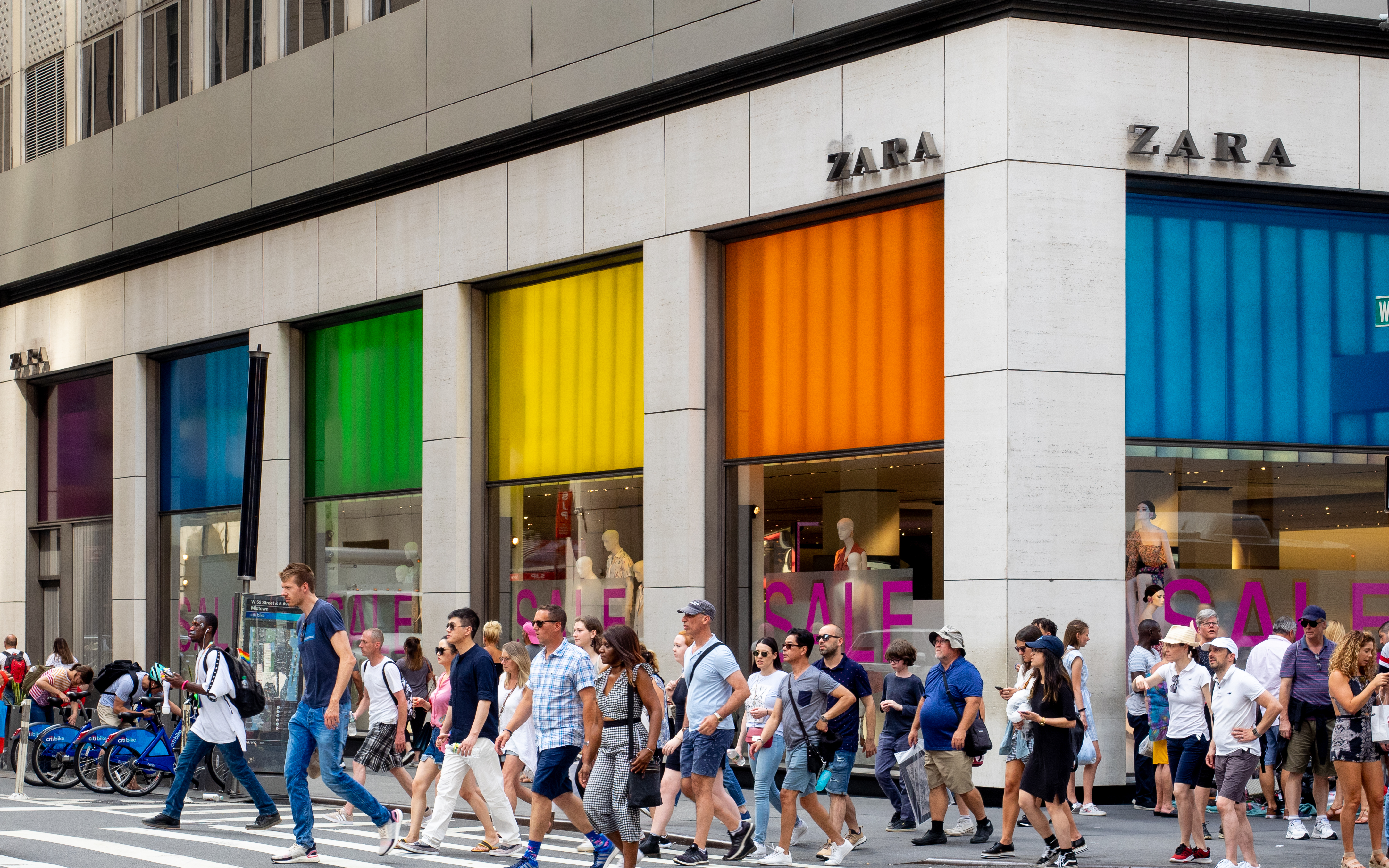
Picture Credit: Zara – Wikipedia