
We Should Prioritize Human Survival Over Wildlife Conservation
We Should Prioritize Human Survival Over Wildlife Conservation
In debates about the environment, one important question continues to divide opinions: should human survival come before wildlife conservation? As the second speaker supporting the motion, I believe that while wildlife is important, human survival and development must remain the top priority. Humans depend on resources, economies, and social systems to live safely and successfully. However, this issue is more complex than simply choosing humans over animals. It is not as black and white as just picking one over the other. Oftentimes, the two depend on each other.
The first argument is that human life holds greater value because humans possess advanced intelligence, moral reasoning, and societal responsibilities. Humans create governments, healthcare systems, technology, and education. Unlike animals, people are responsible for protecting future generations and maintaining civilization. In situations where resources are limited, governments must naturally focus on saving human lives first. For example, during famines, pandemics, or wars, medical supplies and food are directed toward people rather than wildlife because human survival is considered the immediate moral responsibility.
However, opponents strongly challenge this argument. They argue that intelligence should not determine moral worth. If society judged value based only on intelligence, it could unfairly rank humans against one another, which is ethically unacceptable. Wildlife also supports life on Earth by providing oxygen, clean water, pollination, and climate regulation. Without healthy ecosystems, human survival itself becomes impossible. Therefore, critics believe that protecting wildlife is not only about animals but also about protecting humanity’s future.
Another important argument is that economic development is necessary for human survival. Industries such as farming, mining, construction, and urban expansion provide jobs, food, and housing for growing populations. In some cases, reducing wildlife habitats becomes necessary to meet human needs. Developing countries especially depend on natural resources to reduce poverty and improve living standards.
Yet, this argument also faces strong rebuttals. Opponents point out that destroying habitats for short-term economic gain can create long-term environmental disasters. Deforestation, overfishing, and pollution contribute to climate change, floods, soil erosion, and food shortages. For example, overfishing in the North Atlantic caused fish populations to collapse, damaging the economies of fishing communities. Similarly, deforestation in Indonesia increased flooding and displaced local populations. These examples show that harming ecosystems can eventually harm humans as well. Sustainable development offers a better solution by balancing economic growth with environmental protection. It also ensures that economic growth happens alongside conservation efforts, not in spite of them.
Supporters of the motion also argue that during emergencies, human needs must always come first. In natural disasters, wars, or food shortages, governments focus on rescuing people before protecting wildlife. This reflects the belief that human survival is the highest moral priority.
However, critics argue that environmental destruction often worsens these emergencies. Deforestation and wildlife trafficking increase the spread of diseases such as Ebola, as seen by recent outbreaks in the DRC, and COVID-19 because humans come into closer contact with animals carrying viruses. Scientists have also found links between deforestation and malaria outbreaks, especially in the Amazon, where mosquito breeding increases in cleared areas. In addition, removing natural barriers like mangrove forests has increased the impact of tsunamis and coastal flooding in some Asian countries. This proves that conservation is not separate from human survival but actually protects societies from future crises. Putting conservation as an afterthought directly damages human survival much more than it helps.
Finally, supporters believe humans, as the dominant species, have the right to use Earth’s resources for progress and scientific advancement. However, dominance should also bring responsibility. Uncontrolled exploitation has already caused extinctions, environmental collapse, and resource depletion. True progress should involve responsible use of nature rather than reckless destruction.
We suggest that conservation be restructured in a way that supports human survival, rather than abandoned in favour of unrestricted human exploitation of resources.
In conclusion, supporters of the motion believe human survival must come first because societies depend on resources, economies, and infrastructure. However, opponents correctly argue that wildlife conservation is deeply connected to human survival itself. Rather than choosing one side completely, the best solution may be sustainable coexistence, where humans continue to develop while also protecting the ecosystems that keep life on Earth possible.
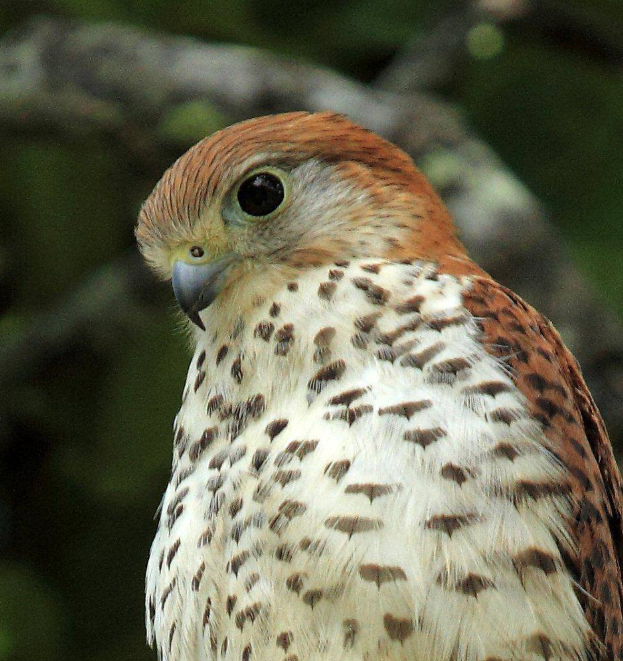
Picture credits: The Mauritian Wildlife Foundation – The Mauritius Kestrel Conservation Project