
Adobe: Understanding the Shift from One-Time Software Purchases to a Subscription-Based SaaS Model
Adobe: Understanding the Shift from One-Time Software Purchases to a Subscription-Based SaaS Model
I first became curious about Adobe’s business model when I started using design software in school projects. Programs like Photoshop and Illustrator are widely used by designers, photographers, and students. While reading about Adobe’s history, I learned that the company once sold its software very differently from how it does today.
Earlier, Adobe used a one-time purchase model. This meant that customers bought a full version of the software for a fixed price. For example, someone could purchase Adobe Photoshop on a CD or as a downloadable package and use it permanently without paying again. However, this system had some problems. The software was often very expensive, sometimes costing hundreds of dollars, which made it difficult for students and small businesses to afford. Updates were also released only every few years, meaning users had to buy a new version if they wanted the latest features.
Around 2013, Adobe made a major decision to change its business model. Instead of selling software as a product, it began offering its tools through a subscription-based SaaS model. SaaS stands for Software as a Service. In this system, users pay a monthly or yearly fee to access the software through the internet.
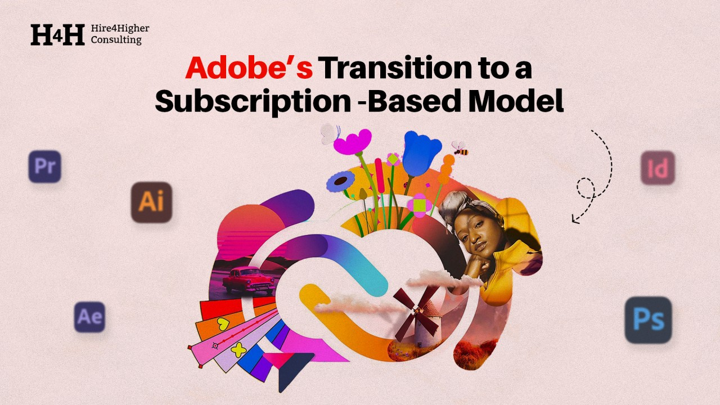
Adobe introduced a platform called Creative Cloud, which includes applications such as Photoshop, Illustrator, Premiere Pro, and After Effects. Instead of buying each program separately, users subscribe and gain access to multiple tools together. As long as the subscription continues, the software remains available and is updated regularly.
This change brought several benefits. First, it made Adobe products more accessible. Instead of paying a large amount upfront, users could pay smaller monthly fees. Students, freelancers, and small businesses found it easier to start using professional software. Second, Adobe could release continuous updates and improvements, rather than waiting years to launch a new version. Users automatically receive the latest features and security improvements.
Another important advantage for Adobe was stable and predictable revenue. Under the old model, the company depended heavily on occasional product launches. With subscriptions, Adobe receives regular monthly payments from millions of users around the world.
As a student interested in technology and creativity, I have noticed how many classmates now use Adobe tools through student subscription plans. Schools also subscribe to Creative Cloud so that students can access multiple programs for design, video editing, and digital media projects.
However, the shift to subscriptions also has some criticism. Some users feel that they are forced to keep paying every month, even if they only use the software occasionally. Others preferred owning a permanent version instead of renting the software.
Through studying Adobe’s transformation, I realized how companies must adapt their business models as technology changes. The move from one-time purchases to a subscription-based SaaS model helped Adobe remain competitive in the digital era while making its tools more widely available to creators and students.